
Leading Products For Tree Trimmings To Enhance Your Landscaping
Discover essential tools and accessories designed to make tree trimming safer, easier, and more efficient for any outdoor space.
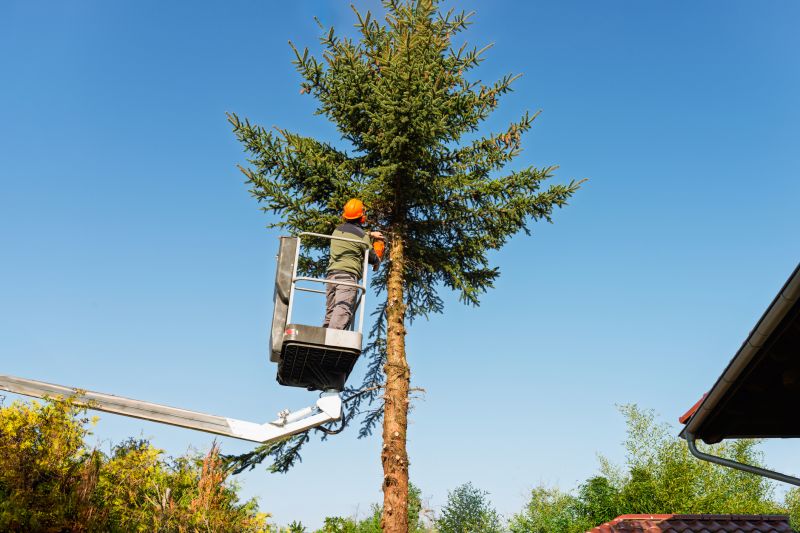 Tree trimmings are a common aspect of maintaining healthy and attractive trees, whether for ornamental purposes or safety considerations. Proper tools and products can facilitate safe and efficient trimming, ensuring that branches are cut cleanly and securely. From handheld pruning shears to larger equipment designed for heavy-duty trimming, there are numerous options to suit different needs and tree sizes. Selecting the right products can help prevent damage to the tree, promote healthy growth, and make the trimming process safer and more manageable.
Types of Products For Tree Trimmings
Handheld Pruning Shears
Compact and lightweight, these shears are perfect for precise cuts on small branches and twigs, making them ideal for detailed trimming tasks.
Loppers
Loppers feature long handles and sharp blades, allowing for cutting thicker branches with increased leverage and control.
Pruning Saws
Designed for cutting through larger branches, pruning saws have serrated blades that make quick work of thicker limbs.
Pole Pruners
Extendable tools that enable trimming of high branches without the need for ladders, featuring a cutting head at the end of a pole.
Chainsaws
Power tools suitable for heavy-duty trimming and removal of large branches or fallen limbs, available in electric and gas-powered models.
Tree Climbing Gear
Safety harnesses, ropes, and climbing spikes designed for professionals or experienced users performing extensive trimming or pruning.
Protective Gear
Gloves, goggles, and helmets that provide safety and comfort during trimming activities.
Debris Bags
Heavy-duty bags or containers for collecting and disposing of trimmed branches and leaves efficiently.
Extension Poles
Additional attachments for extendable tools, allowing for increased reach and flexibility in trimming high branches.
Hedge Trimmers
Electric or gas-powered tools designed for trimming and shaping hedges and shrubs, often used in conjunction with tree trimming.
Manual Tree Pruners
Simple, non-powered tools for quick and easy trimming of small branches and twigs.
Tree Limb Rippers
Specialized tools for removing large, stubborn branches or roots with minimal effort.
Popular Choices
Widely used for their clean cuts and ease of use, bypass shears are favored for detailed pruning tasks on small branches.
Designed for cutting through thicker branches, these shears feature a single sharp blade that crushes rather than slices.
Popular for reaching high branches safely from the ground, these tools combine length with cutting power.
Offering cordless convenience, these chainsaws are favored for their portability and ease of starting for medium to large trimming jobs.
A staple for many gardeners, manual loppers provide reliable leverage for cutting medium-sized branches.
Comprehensive safety gear kits are popular among both amateurs and professionals to ensure safety during trimming activities.
Efficient for gathering and disposing of trimmed branches, these bags are commonly used in larger trimming projects.
Electric or gas-powered hedge trimmers are frequently chosen for their ability to shape and maintain shrubbery and hedges.
Essential for professional tree trimming, these gear sets are popular among certified arborists for safety and efficiency.
Robust saws with ergonomic handles are preferred for cutting through larger branches and limbs.
In addition to cutting tools, accessories such as pruning saws, loppers, and pole trimmers expand the reach and capabilities of those performing tree maintenance. Protective gear like gloves, goggles, and helmets are also essential for safety during trimming activities. For those dealing with larger or more complex trees, specialized equipment such as cherry pickers or hydraulic lifts might be necessary. Understanding the various product types available can help homeowners and professionals choose appropriate tools that match their specific trimming tasks.
When selecting products for tree trimmings, considerations such as the size and type of trees, frequency of trimming, and user experience level are important. Proper maintenance tools can make trimming safer, more efficient, and more effective at promoting healthy growth. Whether performing light pruning or tackling more extensive branch removal, having the right set of products ensures that the task is completed with precision and safety in mind. Investing in quality tools and accessories can also extend their lifespan and improve overall trimming results over time.
Key Buying Considerations
- Tree size and branch thickness: Choose tools capable of handling the specific size and density of branches you plan to trim.
- Frequency of trimming: Select durable tools if trimming is frequent, or basic tools for occasional use.
- Safety features: Look for tools with safety locks, ergonomic handles, and protective guards to minimize risk.
- Ease of use: Consider ergonomic design and weight, especially for extended trimming sessions.
- Power source: Decide between manual, electric, or gas-powered tools based on convenience and project scope.
- Blade sharpness and material: High-quality blades made from stainless steel or carbon steel can improve cutting performance and longevity.
- Reach and extension capabilities: For high branches, extendable tools and pole pruners are essential.
- Storage and maintenance: Opt for tools that are easy to store and maintain, with replaceable blades if needed.
- Budget considerations: Balance cost with quality to ensure you get reliable tools that meet your needs.
- Environmental conditions: Consider weather resistance and corrosion protection for outdoor tools.
- Compatibility with accessories: Check if tools can be paired with additional attachments for versatility.
- User experience level: Beginners may prefer simpler, lightweight tools, while professionals might opt for advanced equipment.
- Noise and vibration levels: For prolonged use, select tools with minimal noise and vibration to reduce fatigue.
- Brand reputation and reviews: Research product reviews and brand histories to gauge reliability and performance.
- Regulatory compliance: Ensure tools meet safety standards applicable in your region.
This page contains affiliate links. We may earn a commission if you purchase through these links, at no additional cost to you.